Washer & Dryer Repair in Boston, MA
Appliance Repair for Homes & Businesses in Boston, Massachusetts and Nearby Areas
Washer and Dryer Repair in Boston Massachusetts, Appliance Repair Pros
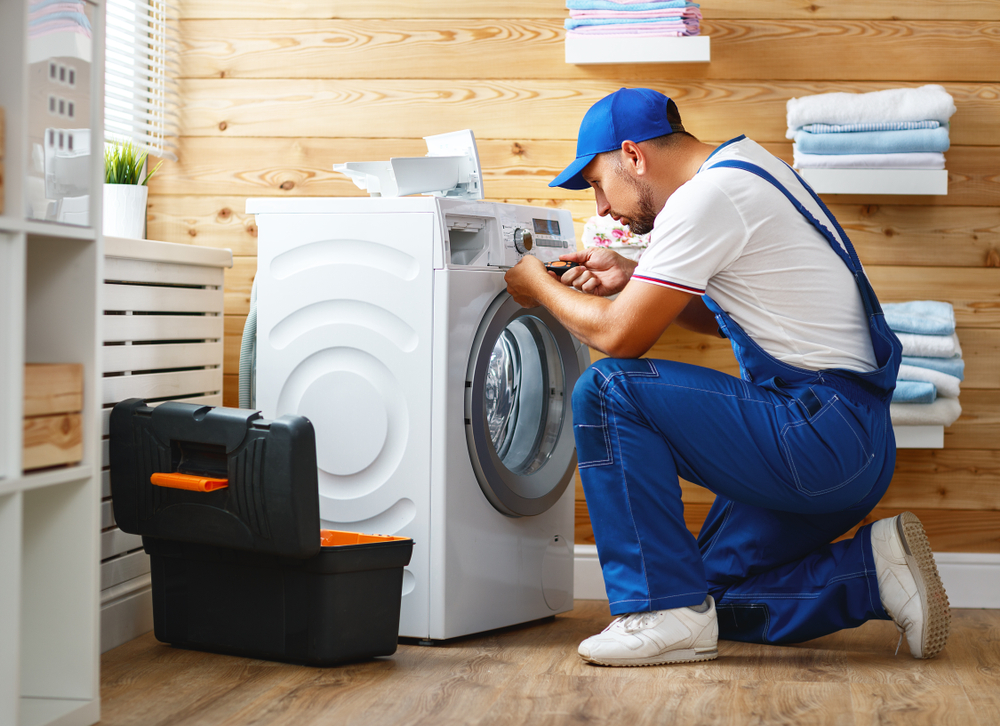
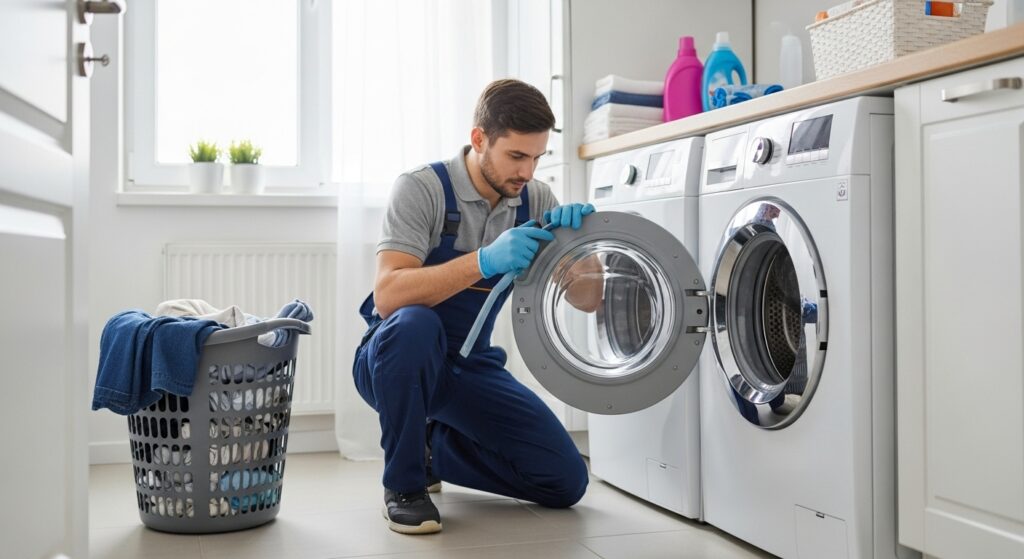
Welcome to Appliance Repair Pros. We provide specialized washer and dryer repair in Boston Massachusetts and the surrounding neighborhoods. For many residents, from the busy families in West Roxbury to the professionals in the Seaport District, a functional laundry room is a necessity. When your washing machine stops spinning or your dryer refuses to heat, the alternative is hauling heavy bags of clothes to a laundromat, which is a significant hassle in a city environment. We service all configurations of laundry equipment, including front load washers, top load units, gas dryers, electric dryers, and stacked laundry centers. We address common frustrations such as loud banging noises, water leaks, clothes remaining wet after a cycle, and error codes flashing on the display.
Laundry setups in Boston vary greatly. We are accustomed to working in tight closets in Beacon Hill condos, damp basements in Dorchester triple deckers, and second floor laundry rooms in renovated row houses. These different environments present unique challenges regarding venting, drainage, and access. Our team treats your home with care and respect. We arrive equipped to diagnose the issue using precise testing methods rather than guesswork. Our focus is on identifying the root cause of the failure to ensure your appliances run safely and efficiently. If laundry day has come to a halt, we are ready to assist.
Contact us today.
Washer and Dryer Repair Services in Boston
We offer comprehensive repair services for both washing machines and clothes dryers. Modern laundry appliances are more complex than ever, incorporating advanced sensors and energy saving features. Whether you have a high efficiency front loader that uses very little water or a traditional agitator style machine, we have the expertise to fix it. We also handle the specific needs of gas dryers, which are common in many older Boston homes, as well as the 240 volt electric models found in newer construction.
Laundry systems we work on:
- Top loading washing machines with agitators
- High efficiency top load washers (HE)
- Front loading washing machines
- Standard vented gas dryers
- Electric vented dryers
- Ventless condensation or heat pump dryers
- Stackable washer and dryer sets
- All in one laundry centers
What makes laundry repair tricky:
- Balancing heavy spinning drums at high speeds
- Diagnosing complex main control boards and motor inverters
- Accessing components in tight stackable installations
- Troubleshooting gas valve coils and ignition systems
- Detecting subtle electrical shorts in moisture rich environments
- Handling heavy concrete counterweights in front loaders
- Tracing long vent runs in historic buildings
- Calibrating water level pressure switches
Common Washer and Dryer Problems We Fix
Washer is not draining water
If your cycle ends and the clothes are soaking wet, or if there is standing water in the drum, you likely have a drainage issue. This prevents the machine from spinning and can lead to odors. In older Boston plumbing systems, drain lines can sometimes be slow, but the issue is usually within the machine itself.
- Clogged drain pump filter (coin trap)
- Failed drain pump motor
- Obstruction in the drain hose
- Broken lid switch or door lock preventing the cycle
- Worn drive belt
- Control board not sending power to the pump
How we diagnose it
We listen to the pump to see if it is humming or silent. We manually drain the water and inspect the filter for coins, socks, or lint. We test the resistance of the pump motor. We also check the lid switch on top loaders, as the machine will not drain if it thinks the lid is open.
What you can do right now
Check the drain hose behind the machine to ensure it is not kinked or crushed. If you have a front loader with a front access filter door, open it carefully (have a towel ready) and check for debris.
Dryer is running but not heating
A dryer that tumbles without heat is useless. You might find yourself running the same load two or three times. This wastes energy and wears out your clothes. This problem can occur in both gas and electric models but for different reasons.
- Burnt out heating element (electric)
- Failed igniter or gas valve coils (gas)
- Blown thermal fuse
- Tripped circuit breaker
- Broken timer or heat selector switch
- Clogged vent causing the thermal cutoff to trip
How we diagnose it
On electric dryers, we test the element for continuity. On gas dryers, we observe the ignition sequence to see if the glow bar heats up. We check the thermal fuse, which is a safety device that blows when the dryer gets too hot, often due to poor venting.
What you can do right now
Check your breaker panel. Electric dryers have two breakers; if one trips, the motor might run but the heater will not. Clean your lint trap thoroughly. Check the external vent hood outside to make sure it is not blocked by lint or birds.
Washer is shaking or walking
Loud banging and a machine that moves across the floor can damage your flooring and the appliance. This is often caused by an unbalanced load, but persistent shaking indicates a mechanical failure or leveling issue. In upper floor laundry rooms in Back Bay, this vibration can be felt throughout the house.
- Machine is not level on the floor
- Suspension rods or springs are worn out
- Shock absorbers failed (front load)
- Counterweight is loose or broken
- Shipping bolts were not removed (new installs)
- Drum bearing failure
How we diagnose it
We push down on the tub to test the suspension response. We check the leveling legs to ensure all four are firmly on the floor. We spin the drum by hand to feel for roughness in the bearing. We also inspect the shock absorbers for leaked fluid.
What you can do right now
Ensure the machine is level using a bubble level. Check if the load is bunched up; trying to wash a single heavy blanket can cause unbalance. Adjust the feet at the bottom of the washer until it is stable.
Dryer is making loud squeaking noises
A dryer should produce a steady hum. High pitched squealing or rhythmic thumping suggests that the parts supporting the heavy drum are wearing out. Ignoring this can lead to the drum grinding against metal components.
- Worn drum support rollers
- Idler pulley wheel failure
- Rear drum bearing or sleeve worn out
- Worn drive belt fraying
- Loose blower wheel
- Debris stuck in the blower housing
How we diagnose it
We disassemble the dryer cabinet to inspect the rollers and axles. We spin the idler pulley to check for smooth operation. We examine the belt for signs of shredding. We also check the felt seals to ensure they are not allowing buttons or coins to get trapped.
What you can do right now
Stop using the dryer to prevent further damage. Check inside the drum for any loose objects like coins or keys that might be rattling. Spin the drum by hand; if it is very hard to turn, the bearing may be seized.
Washer is leaking water
Water pooling around your washer is a major risk, especially in condos or second floor laundry rooms where it can damage the ceiling below. Leaks can come from hoses, pumps, or the tub itself.
- Cracked or loose fill hoses
- Worn door boot seal (front load)
- Leaking drain pump
- Tub seal failure
- Detergent dispenser hose disconnected
- Overfilling due to pressure switch failure
How we diagnose it
We run a cycle and observe the machine with the panels removed to pinpoint the source. We check the fill hoses at the back. We inspect the rubber door boot for small tears or items stuck in the fold. We also look for rust stains which indicate a slow, long term leak.
What you can do right now
Turn off the water supply valves behind the washer immediately. Wipe up the water. Inspect the rubber gasket on the door for any visible rips or trapped debris preventing a seal.
Dryer takes too long to dry
If your clothes are hot but damp after a full cycle, the issue is usually airflow. The moist air must escape for the clothes to dry. In Boston brownstones with long vent runs, this is a very common problem that can also be a fire hazard.
- Clogged dryer vent duct
- Crushed flexible vent hose
- Blower wheel stripped or clogged
- Moisture sensor failure
- Cycling thermostat failing
- Lint screen completely blocked
How we diagnose it
We measure the airflow exiting the dryer. We check the temperature at the exhaust. We inspect the internal blower housing for lint buildup. We also test the moisture sensor bars to ensure they are detecting dampness correctly.
What you can do right now
Clean the lint screen. Go outside and check the vent cap; if you cannot feel a strong breeze coming out while the dryer is running, your duct is likely clogged. Avoid using flexible foil or plastic venting; rigid metal is safer.
Washer will not start or spin
You press start and nothing happens, or the machine fills but sits silent. This disrupts your schedule and leaves wet clothes sitting in the drum. It can be a simple safety switch or a complex electronic failure.
- Lid switch or door lock assembly broken
- Broken drive belt
- Motor coupling broken (direct drive)
- Main control board failure
- Timer contact failure
- Thermal overload on the motor
How we diagnose it
We test the door lock mechanism first, as it is the most common cause. We check the belt condition. If the motor hums but does not turn, we check the capacitor. We also verify voltage at the motor connector.
What you can do right now
Ensure the door or lid is closed firmly. Check the breaker. If you have a top loader, try lifting and closing the lid again to reset the switch. Make sure the “Delay Start” feature is not activated.
Washer smells like mildew
A foul odor coming from your washer transfers to your clean clothes. This is particularly common in front load washers where water can sit in the door seal or outer tub. It indicates mold or bacteria growth.
- Mold buildup in the door boot gasket
- Clogged drain pump filter holding stagnant water
- Using too much detergent (excess suds)
- Washing only with cold water
- Drain hose installed incorrectly (backflow)
How we diagnose it
We inspect the door seal folds for black mold. We check the drain filter for sludge. We examine the installation of the drain hose to ensure it has a proper high loop or standpipe height to prevent sewer gas or sink water from backing up.
What you can do right now
Run a “Clean Washer” cycle with hot water and a cup of bleach or a specialized washer cleaner tablet. Wipe down the door seal and leave the door open when not in use to let the drum dry out.
Safety Notes for Washer and Dryer Issues
Washer and dryer malfunctions can pose serious risks to your home and family. Dryers are a leading cause of household fires due to lint buildup, and washers are a common source of significant water damage. We prioritize safety in every repair.
Immediate safety steps:
- If you smell gas near the dryer: Do not turn on any lights or appliances. Leave the house immediately and call your gas company. Gas leaks are invisible and highly dangerous.
- If you smell burning rubber or plastic: Stop the machine immediately. This could be a belt melting or a wire shorting out. Unplug the unit if safe to do so.
- If water is spraying or pooling rapidly: Turn off the water shutoff valves behind the washer. If you cannot reach them, shut off the main water supply to the home.
- If the dryer is extremely hot to the touch: This indicates the vent is clogged and heat is trapped. Stop using it immediately to prevent a fire.
- Electrical shock hazard: Never operate a washer that gives you a tingle when you touch it. This indicates an electrical ground failure.
Brands We Service for Washer and Dryer Repair in Boston
We repair all major brands of laundry equipment. Whether you have a vintage reliable set or the latest smart appliances, our technicians have the training to handle the specific engineering of each manufacturer.
Whirlpool family and similar designs (Whirlpool, Maytag, KitchenAid, Amana)
These are the workhorses of many Boston laundry rooms. We see many “Direct Drive” top loaders which are known for longevity, as well as the newer “VMAX” front load systems. Common issues include lid switch failures and actuator problems on the top load vertical modular washers.
- Lid lock light flashing
- Actuator failure causing grinding noise
- Drain pump failure
- Drive belt breaking
- Control board sensing errors
We carry a wide range of parts for these common units, allowing for quick turnaround times.
Samsung and LG
These brands dominate the front load market with high tech features. They use sophisticated electronics and direct drive motors attached to the rear of the drum. While efficient, they are sensitive to unbalance and power fluctuations.
- UE or UB unbalance error codes
- Drain pump failure (OE/ND errors)
- Door boot seal mold and leaks
- Main PCB (board) failure
- Heating element burnout in dryers
Repairing these requires being comfortable with digital diagnostics and accessing service modes to test individual components.
GE family (GE, Hotpoint, and related lines)
GE washers, especially the new top loaders, are very popular. They use a unique “Hydrowave” system on older models and a reversing motor on newer ones. Their dryers are generally easy to service but often suffer from bearing wear.
- Motor inverter board failure
- Speed sensor issues
- Lid lock mechanism jamming
- Rear drum bearing wearing out (dryers)
- Timer knob breaking
We are familiar with the specific blink codes on the motor inverters that help diagnose drive system failures.
Bosch and Electrolux
Bosch is famous for compact laundry units found in many small city apartments and closets. Electrolux makes high capacity front loaders. These units are engineered differently, often with tighter tolerances and specific door latch assemblies.
- Carbon brush wear in motors (Bosch)
- Drain pump blockage
- Bellows (door seal) tearing
- Control board interface issues
- Door latch failure
Servicing compact Bosch units often requires pulling them out of tight cabinetry, which we do with care.
Understanding Common Washer and Dryer Error Codes
Modern machines speak in codes. These digital displays give us a starting point for diagnosis. Remember, a code tells you what system is affected, not necessarily why.
- F01, E01 (Main Control Error): The brain of the machine is failing or has a corrupted memory.
- F21, F02, Sd, 5d (Drain Error): The washer is taking too long to drain. Usually a clog or pump failure.
- UE, Ub, dC (Unbalance/Load Error): The machine cannot balance the load to spin safely.
- F05, E05 (Temp Sensor): The water or air temperature sensor is reading out of range.
- LE (Motor Error): Locked rotor or motor failure. Common on LG direct drive units.
- dE, dO, F_dL (Door Error): The door is not locking or the switch is not reporting “closed.”
- HE, tS (Heating Error): The dryer is not heating up, or the sensor is open.
- IE, 4E (Inlet Error): The washer is not filling with water within the expected time.
Maintenance Tips for Washer and Dryer Owners in Boston
Routine maintenance is the best way to avoid emergency calls. In a city environment where dust and lint can accumulate, keeping your laundry machines clean is vital.
Clean the dryer vent yearly. This is the most important safety tip. A clogged vent causes fires and ruins the dryer. If you live in a condo, ensure the building management cleans the main vertical ducts.
Leave the washer door open. After every load, leave the washer door or lid ajar. This allows moisture to evaporate and prevents that “gym sock” mildew smell.
Use HE detergent correctly. If you have a High Efficiency washer, you only need 2 tablespoons of soap. Using too much creates excess suds that confuse the sensors and damage the bearings.
Check hoses every 5 years. Rubber hoses can dry rot and burst. We recommend upgrading to stainless steel braided hoses for better protection against floods.
Clean the lint trap every load. Never run the dryer without a clean lint screen. It improves airflow and efficiency.
Level your machines. If your machine rocks, adjust the feet. A stable machine puts less stress on the suspension and bearings.
Clean the coin trap. If your front loader has an accessible drain filter, check it every few months. You will be surprised at the amount of lint, coins, and hair you find.
Don’t overload. stuffing the drum to the brim prevents clothes from moving. This leads to poor cleaning and strain on the motor. Wash bulky items like comforters separately.
Service Area for Washer and Dryer Repair in and Around Boston Massachusetts
We serve the entire Boston area, bringing expert laundry repair to your doorstep. From the student apartments in Fenway to the family homes in West Roxbury, we know the neighborhoods. We understand the logistics of parking and accessing city homes.
- Back Bay
- Beacon Hill
- South End
- Dorchester
- Jamaica Plain
- Charlestown
- South Boston
- East Boston
- Roxbury
- Fenway Kenmore
- West Roxbury
- Hyde Park
Zip codes we serve: 02108, 02109, 02110, 02111, 02113, 02114, 02115, 02116, 02118, 02119, 02120, 02121, 02122, 02124, 02125, 02127, 02128, 02129, 02130, 02131, 02132, 02134, 02135, 02136.
Frequently Asked Questions
Why is my dryer taking two cycles to dry clothes?
This is almost always an airflow restriction. Even if the dryer gets hot, the moisture cannot leave if the vent is clogged. Check your vent ducting for lint buildup or crushed sections. It could also be a weak solenoid on a gas valve.
Is it worth repairing a 10 year old washing machine?
Standard top loaders can often last 15 years or more and are worth fixing. Front loaders have a slightly shorter lifespan. If the repair involves the main bearing or the main control board on an old unit, replacement might be more economical.
Can you stack my washer and dryer?
We service stacked units, but we generally do not perform the initial installation or stacking service. If you have a stacked set that needs repair, we have the tools and experience to unstack them safely if required for access.
Why does my washer smell like sewage?
This can happen if the drain hose is pushed too far down the standpipe or if there is no P-trap in the plumbing. It allows sewer gas to come back up the hose. Ensure the drain hose has a proper air gap.
Do you fix coin operated laundry machines?
We focus on residential equipment. While we can repair the mechanical systems of some coin ops found in small multi family homes, we generally do not service the coin mechanisms or commercial laundromat equipment.
My washer won’t spin but the motor runs, what is it?
On a direct drive washer, this is often a broken motor coupler. On a belt drive unit, it could be a broken belt or a shifted idler pulley. It is a safety feature to stop the tub from spinning if the drive system is compromised.
Is there a washer repair technician near me?
Yes, we have technicians located throughout Boston and the nearby areas listed. We dispatch the closest available expert to your home to minimize wait times.
Why is my front load washer vibrating so much?
It is likely not level, or the shipping bolts were not removed during installation. If the machine is old, the shock absorbers or suspension springs may have failed. We can replace these components to stabilize the unit.
What causes holes in clothes after washing?
This can be caused by a damaged drum paddle, a rough spot on the porcelain basket, or a gap in the felt seal of the dryer. It can also be caused by overloading the machine or using bleach incorrectly.
Do you carry parts for older dryers?
Yes, dryers are relatively simple machines, and parts for older Whirlpool and GE models are widely available. We often carry belts, rollers, and heating elements for these reliable older units.
Why does my dryer shut off after a few minutes?
This could be a motor overheating issue, or the moisture sensor thinks the clothes are dry. Try using the “Timed Dry” setting. If it runs fine on Timed Dry, your moisture sensor bars are likely dirty or failed.
Conclusion
At Appliance Repair Pros, we know that a broken washer or dryer throws a wrench in your weekly routine. We are dedicated to providing fast, reliable repair services to the Boston community, from the Seaport to Roslindale. Our team has the technical skills to solve complex electronic issues and the mechanical know how to fix squeaks and leaks. We treat your home and your appliances with the utmost respect. Do not let the laundry pile up or settle for damp clothes. We are here to get your laundry room back in working order.
Reach out to us for assistance.